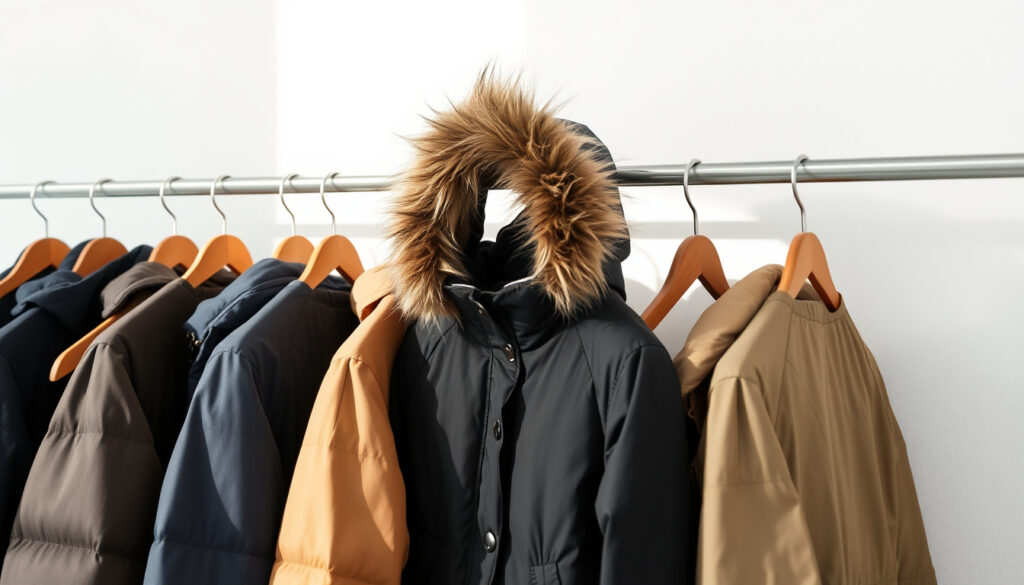
Best Winter Jackets 2025: Expert Buying Guide & Top Brand Comparisons
Down delivers superior warmth per gram but fails in rain, while synthetic insulation keeps you warm when wet—making the right choice a trade-off between British downpours and dry cold. This guide cuts through the jargon on fill power, waterproof ratings, and insulation types to help you choose a jacket that will keep you warm and dry in UK conditions, from rainy commutes to windy hill walks.
Average price range for winter jackets in the UK: £50–£500 ·
Most common insulation type in UK jackets: Synthetic (polyester) ·
Maximum fill power for down jackets: 900+ ·
Minimum waterproof rating for heavy rain: 10,000mm ·
Percentage of jackets sold with hoods: Over 60%
Quick Snapshot
- Which brand offers the best warmth-to-price ratio for UK winters
- Whether down or synthetic is more durable over time
- New jacket models typically arrive in stores in late summer, with peak selection from September (Snow+Rock).
- Focus on matching specific specs like fill power and waterproof rating to your primary use case, from city commutes to mountain days.
Before you browse, one pattern worth knowing: a jacket’s price often reflects the cost of its materials and technology, not just the brand on the label.
| Key Fact | Detail |
|---|---|
| Average Price Range | £50 – £500 |
| Most Common Insulation | Synthetic (polyester) |
| Top Warmest Fill Power | 800+ down |
| Standard Waterproof Rating | 5,000 – 20,000mm |
| Average Weight | 1–2 kg |
| Fill Power Range (Down) | 600 – 900+ |
| Minimum for Heavy Rain | 10,000mm |
| Breathability Range (MVTR) | 5,000 – 20,000 g/m²/24hr |
| Common Hood Types | Fixed, stowable, helmet-compatible |
| Typical Lifespan | 5–10 years with care |
Which are the best winter jackets?
The answer depends on your specific needs, but the best all-round performers consistently balance warmth, weather resistance, and comfort. Consumer tests show top performers include brands like Patagonia and The North Face, which are often praised for their versatile designs and reliable materials. The best winter jackets combine warmth, weather resistance, and style, making them suitable for everything from a daily commute to a weekend hike.
To find the right one, it helps to break down the options into a few main categories.
Top-rated winter jackets overall
- Puffer jackets are a top choice for their high warmth-to-weight ratio, making them easy to pack and ideal for dry, cold conditions.
- Parkas offer extended coverage, often reaching mid-thigh or knee length, which provides extra warmth for the core and upper legs in severe winter climates.
- Waterproof insulated jackets combine a waterproof outer shell with a warm inner layer, making them a versatile option for wet, cold weather.
Different styles excel in different situations. For instance, a sleek puffer might be perfect for a city commute, while a rugged parka is better suited for a day on the hills. The best choice depends on how you plan to use it.
| Jacket Type | Warmth | Waterproofing | Best For |
|---|---|---|---|
| Puffer / Down Jacket | High (800+ fill) | Low (unless treated) | Dry cold, urban commutes |
| Synthetic Jacket | Moderate–High | Moderate–High | Wet conditions, active use |
| Waterproof Insulated | High | High (10,000mm+) | Rain, snow, mixed weather |
The pattern: each type trades off raw warmth against weather resistance, so matching the jacket to your typical conditions matters more than picking the single warmest option.
Criteria for best performance
Performance isn’t just about how warm a jacket feels on a quick walk to the car. It is about how well it performs over hours outdoors. A good winter jacket should offer a high warmth-to-weight ratio, which is where insulation type comes in. Down insulation is typically warmer for its weight than synthetic, but it loses its insulating properties when wet. Synthetic insulation, on the other hand, continues to provide warmth even when damp, as noted by outdoor experts.
Another key factor is breathability. A jacket that traps all your body heat can also trap sweat, leaving you feeling clammy and cold. Look for jackets with pit zips or breathable fabrics if you plan on being active. Ultimately, the best jacket is one that manages moisture well, both from the outside environment and from your own body.
“In a review of 20 winter jackets, the Patagonia Down Sweater was cited as top performer for its balance of weight and warmth.”
— Outdoor Gear Lab tester
The implication: choosing a versatile jacket that matches your activity level matters more than picking the single warmest model on the shelf.
Which brand has the best winter jackets?
When it comes to brand reputation, a few names consistently come up in conversations about quality and performance. The North Face and Berghaus are often compared for their reliable technology and durability, while premium brands like Canada Goose and Arc’teryx are recognised for their high-end materials and construction. Consumer surveys often rank North Face higher for versatility, meaning their jackets are seen as good all-rounders for various winter conditions.
While brand can be a useful shortlist, the best choice often comes down to specific models that match your needs.
North Face vs Berghaus: a head-to-head
Both brands offer excellent options, but they have slightly different strengths. The North Face often focuses on innovative technology and a modern fit, while Berghaus has a strong heritage of making durable, functional jackets for the outdoors. The right choice may depend on whether you prefer a more urban style or a purely functional mountaineering aesthetic. Both are reputable, but your choice should align with your personal style and performance requirements.
Other top brands: Canada Goose, Patagonia, Arc’teryx
- Canada Goose uses high-quality down and is known for its extreme warmth, often found in their heavy parkas, making it a favourite for the coldest Canadian winters.
- Patagonia is highly regarded for its ethical sourcing and environmentalism, using recycled materials in many of its jackets, as verified by The North Face.
- Arc’teryx is a premium brand that uses top-tier materials and construction, often favoured by serious outdoor enthusiasts for its technical performance.
Brand reputation and warranty
It’s also worth considering a brand’s warranty and customer service. Brands that stand behind their products with substantial warranties often have higher price points. A good warranty can provide peace of mind and protect your investment, as it signals the manufacturer’s confidence in the jacket’s longevity. This can be a more important factor than the brand’s overall reputation.
The premium you pay for a top brand like Arc’teryx often buys a lighter, more breathable, and longer-lasting jacket, but the performance gap over more affordable brands may be narrowing for the average user.
What is the warmest jacket for winter?
If maximum warmth is your top priority, then the type of insulation is the most critical factor. Down jackets with 800+ fill power are the warmest for dry cold conditions, offering an exceptional warmth-to-weight ratio. However, in a UK climate with its frequent rain, the warmth of down is compromised unless it is treated or covered by a waterproof shell.
The choice between down and synthetic insulation is a trade-off between raw warmth and performance when wet.
Down vs synthetic insulation
Down is the gold standard for warmth. It is the fluffy undercoating from ducks and geese, and its warmth comes from its ability to trap air in tiny pockets. The quality of down is measured by its “fill power”, with numbers like 600, 700, or 900 indicating the fluffiness and loft. Higher numbers mean more warmth for less weight. However, down loses all its warmth when it gets wet and takes a long time to dry.
Synthetic insulation, like polyester, is made from plastic polymer threads that trap body heat even while wet. It dries quickly and provides some warmth even when damp, according to Scheels. It is also generally cheaper and more durable than down. However, it is typically bulkier and heavier for the same level of warmth, and it loses its loft over time, which reduces its insulating ability.
Understanding fill power
Fill power is a direct measure of an insulation’s fluffiness. A jacket with a fill power of 800 means the down takes up more volume per unit of weight than a jacket with a fill power of 600. The higher the number, the better the quality of the down. The North Face notes that “down” is defined as natural or man-made materials that reduce heat loss. For the UK’s, you’ll want to look for a jacket with a high fill power to get the most warmth for the least bulk.
Extreme cold ratings
For sub-zero temperatures, brands sometimes provide a “temperature rating” for their jackets. However, these are often based on static tests and may not reflect real-world conditions, especially when you are active. For the harshest conditions, a heavy parka with a high-fill-power down is often the best choice, but remember that these jackets are often too warm for milder UK winters.
“Testing of insulated waterproof jackets recommended models from Berghaus and The North Face for their reliable performance in wet UK conditions.”
— Which? consumer test
The single warmest jacket you can buy will likely be too hot for typical UK winter weather, which hovers around 0 to 8°C in many regions, leading to overheating during daily commutes.
What is the best warm waterproof jacket for winter?
For the UK, a warm and waterproof jacket is essential. The key is to find a jacket that manages moisture effectively, both from rain and snow outside, and from sweat inside. A jacket that is only warm but not waterproof can leave you shivering and miserable in wet conditions. This makes the waterproof rating of the outer shell just as important as the insulation.
Waterproofness is measured in millimetres and indicates how much water pressure a fabric can withstand before leaking.
Waterproof ratings explained
- Up to 5,000mm: Basic protection for light showers and dry snow.
Source: Snow+Rock - 6,000 to 10,000mm: Moderate protection for light-to-average rain and everyday outdoor use.
Source: Snow+Rock - 11,000 to 15,000mm: Good protection for moderate rain and wet snow, suited for longer outdoor activities.
Source: Snow+Rock - 16,000 to 20,000mm: High protection for heavy rain and demanding conditions.
Source: Snow+Rock - 20,000mm+: Extreme waterproofing for prolonged exposure to heavy rain and wet snow.
Source: Snow+Rock
A rating of up to 10,000mm is often what you need for a standard UK winter, but some users call for higher specs. Which? recommends checking a jacket’s hydrostatic head and advises that a 5,000mm minimum is recommended for general use. Others like Nevisport suggest 10,000mm to 15,000mm for high-quality protection from heavy rain.
Combining warmth and waterproofing
You can have both. The best approach is to look for a jacket with a waterproof outer fabric and a warm inner layer. This can be a three-layer system, with a waterproof outer shell and a separate insulating jacket, or a single jacket with a waterproof outer and a fixed or removable liner. The combination of a waterproof shell and warm insulation ensures you stay dry and warm in the rain or snow.
Top picks for rainy winters
Brands like Berghaus and The North Face offer excellent waterproof insulated jackets. These jackets often use a waterproof membrane like Gore-Tex or similar technology to keep water out while allowing moisture to escape, ensuring you don’t overheat. When choosing, look for a jacket with a high waterproof rating and taped seams, which prevent water from seeping through the stitching.
What this means: a jacket that combines a waterproof shell with versatile insulation will handle the majority of British winter days without overheating or letting rain through.
How to pick a good winter jacket?
Choosing the right jacket involves more than just picking a colour. It’s about matching the jacket’s features to your specific needs and the climate where you’ll be wearing it. The coldest days in the UK can vary wildly from a damp 5°C in London to a freezing -10°C on a Scottish mountain. Your activity level, fashion sense, and typical commute all play a role in the decision.
The best jacket is the one you’ll actually want to wear every day. A highly technical piece that’s wrong for your lifestyle will just gather dust.
- Identify your primary use. Write down your typical winter activities — city commute, hill walking, or mountain days — and the conditions you face most often.
- Choose your insulation type. Pick down for dry cold and maximum warmth-to-weight, or synthetic for damp conditions and durability.
- Set a waterproof floor. For UK rain, target at least 10,000mm waterproof rating with taped seams.
- Check breathability. If you plan to be active, look for breathable membranes or pit zips to avoid sweat buildup.
- Test the fit with layers. Try the jacket over a mid-layer fleece or thin down to ensure it’s roomy enough without being baggy.
- Assess key features. Prioritise an adjustable hood, secure pockets, and a drawcord hem based on your activities.
Assess your climate and activity level
If you live in a city and your main activity is walking to the bus or train, a mid-weight jacket is often ideal. On the other hand, if you spend time outdoors in mountainous areas of the UK, you’ll need a more technical jacket with a higher waterproof rating and a warmer insulation. Consider the lowest temperatures you expect to face and how long you’ll be outside. For high-output activities, a more breathable jacket is key.
Key features: hood, pocket, hem
- Hood: A helmet-compatible, adjustable hood is essential for hill walking. For city use, a simple stowable hood that can be tucked away when not needed is a good choice.
- Pockets: Look for an internal zipper pocket for valuables and a liner pocket for your phone. The main hand-warmer pockets should sit above a backpack hip belt to avoid discomfort.
- Hem: An adjustable drawcord hem helps seal in warmth and keeps cold air out. A dropped tail gives extra protection for the lower back.
Fit and layering considerations
A good winter jacket is often worn over a mid-layer. The fit should be roomy enough to allow for a fleece or a thin down layer underneath, but not too baggy that the jacket’s own insulation gets compressed and fails to trap air. This is the trade-off: a larger fit helps with layering but sacrifices some warmth, as the added space between layers can be filled by cold air. Choose a jacket that fits well with your chosen layering system.
For the UK’s unpredictable winters, you are often better off buying a waterproof shell and wearing a warm mid-layer underneath, rather than a single huge insulated jacket that might be too warm for most days.
Conclusion: A Matter of Trade-offs
Choosing a winter jacket is about managing trade-offs. A super-warm down parka is the warmest but fails in the wet, while a synthetic jacket is more versatile in the rain but may be bulkier. The warmest and most waterproof options are expensive, while budget jackets may not withstand a UK winter. For the UK’s unpredictable climate, the clear winner is a jacket that combines a waterproof shell with a versatile insulation layer.
The lesson is to focus on the specs that matter most for your lifestyle. For the urban commuter, a waterproof rating of at least 10,000mm and a good synthetic or treated-down insulation will see you through the majority of winter days. For the mountain hiker, the decision is clear: invest in a high-quality, breathable, and waterproof shell with a high-fill-power down insulation to handle the most extreme conditions.
Upsides
- Provides clear, measurable specs to compare jackets objectively.
- Helps align the purchase with specific UK weather conditions.
- Identifies the best value for money, avoiding overpaying for unnecessary features.
Downsides
- Requires learning a few technical terms can be off-putting for some.
- Focusing on specs alone might lead to overlooking the importance of fit.
- High-performing specs usually mean a higher price tag.
theguardian.com, dcshoes.co.uk, trespass.com, backcountry.com, deepreport.uk, wildsnow.com
Frequently Asked Questions
What is the difference between a winter jacket and a parka?
A parka is a type of winter jacket that typically extends to mid-thigh or knee for extra coverage. It often includes a hood lined with fur or synthetic material and is designed for extremely cold climates. A winter jacket is a broader term that includes parkas, puffer jackets, and waterproof jackets, which are generally shorter and more versatile.
Are down jackets good for wet weather?
Standard down jackets are not effective when wet, as they lose their insulating properties. However, some jackets use water-repellent down, which resists moisture for a longer period. For a UK winter, it’s often better to opt for a jacket with a waterproof outer shell and a synthetic or treated-down insulation to handle rain and wet snow.
How long should a winter jacket last?
With proper care, a high-quality winter jacket can last anywhere from 5 to 10 years or more. The lifespan depends on the quality of the outer fabric, the type of insulation, and how well the jacket is maintained. Cheaper jackets might wear out in a few seasons, while investing in a durable jacket from a reputable brand can ensure many winters of use.
What is the best winter jacket for skiing?
For skiing, you need a jacket that offers both waterproofing and breathability to handle snow and high-intensity activity. Look for a jacket with a high waterproof rating (above 10,000mm), a breathable membrane, and features such as a powder skirt, venting pit zips, and a helmet-compatible hood. Insulated jackets are great for après-ski, but for the slopes, a good waterproof shell with a mid-layer is often recommended.
Can windproof jackets replace insulated jackets?
No. Windproof jackets block the wind but do not provide significant insulation. They are best used as a shell over a mid-layer, but they won’t keep you warm on their own in freezing temperatures in the UK. An insulated jacket is necessary for warmth, while a windproof layer can help keep you warm in conjunction with it.
How do I layer for extreme cold?
For extreme cold, the best approach is a three-layer system. A base layer made of merino wool or synthetic fabric wicks moisture away from your skin. A mid-layer, such as a fleece or thin down jacket, traps body heat. Your outer layer should be a waterproof and windproof jacket to protect you from the elements. This system allows for easy temperature regulation by adding or removing layers as needed.
More related posts
 Tree Houses Ireland: Prices, Retailers & Kids Options (2025)
 Gian van Veen: Kidney Stones, Littler & Career Stats
 Keith Lemon: Biography, Net Worth, Wife, Kids and Facts
 Esme Morgan: Biography, Transfer, Education & Personal Life
 Hester Chambers: Age, Partner, Guitar, and Wet Leg’s Rise to Fame
 David Coote sentenced for indecent images of child
 Julian Cash Net Worth, Age, Ranking and Doubles Career
 Signs of Ectopic Pregnancy: Early Symptoms, Pain & Bleeding